An exploding wine scene in Pittsburgh, PA
A liquor license in Western Pennsylvania can cost $250,000. What has grown up in its absence is a bring-your-own-bottle culture that turns out to be the best of both worlds.
I recently began teaching a course on sustainability at a university in Pittsburgh, a new city for me and an exciting one that, having suffered an economic decline from steel manufacturing, is experiencing a renaissance of new industry, principally in technology, and attracting new residents. With employers like Google and Facebook in the city and the average age of residents at about 32, Pittsburgh is not surprisingly also experiencing an explosion of good restaurants and delicious American and ethnic cuisine. In the last few years the national arbiters of the best and latest trends in food have labeled it “the next big food town.” Wine distributors also confirm that the city is an exciting new market.
So I was disappointed when, during my first week in Pittsburgh, we headed to a place looking forward to a nice dinner with wine and discovered that they did not sell wine, had no wine list, and were BYOB — bring your own bottle. I soon learned that many restaurants have this practice.
Restaurant liquor licenses can sell for $250,000 or more in some counties in Western Pennsylvania. In Pittsburgh, a license might cost $75,000 to $80,000. As a result, many restaurants do not have licenses and instead allow BYOB.
There have been unsuccessful efforts in the state legislature to develop an option for restaurants that want to serve just wine and cannot afford a full liquor license — a bill introduced to establish a wine-only license. Restaurants that want to simply offer a glass of wine could not typically afford to spend $150,000 to $200,000 for a license that allows them to sell beer, wine and hard alcohol. They would never make that money back selling wine only.
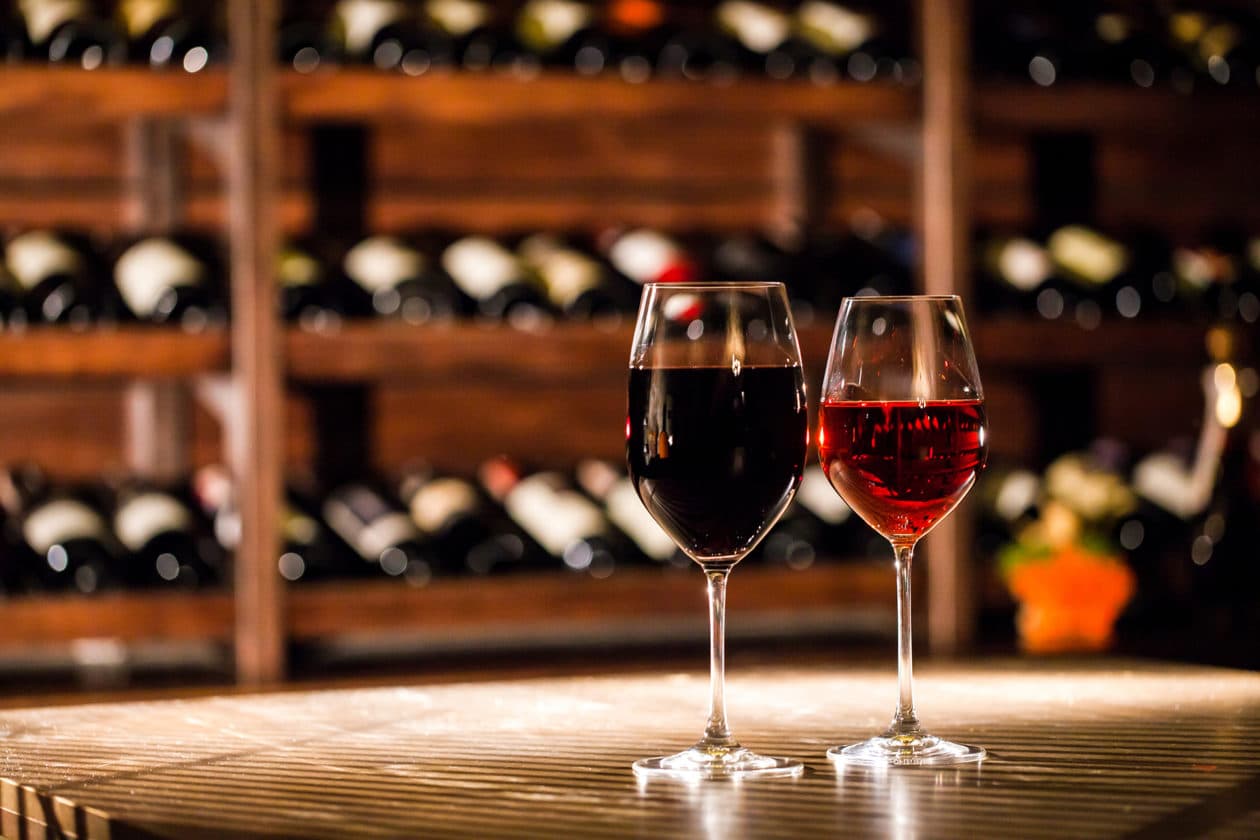
So in the meantime a vibrant practice of BYOB has developed, which I have now found to be very appealing. BYOB restaurants offer the best of both worlds. Diners are able to enjoy the perks of eating out, as well as sipping on their favorite wines without the usual upcharge.
In some restaurants, the corkage fee is as low as $5.00 per bottle. This means you are provided wine glasses and the server will open your bottle for you at no extra fee. BYOB is so prominent that several guides to BYOB restaurants have been published online and are updated regularly — some organized by food type or region, some by neighborhood.
Otherwise, the wine scene in Pittsburgh is growing. Wine is still primarily sold in state stores, named Fine Wine and Good Spirits and operated by the Pennsylvania Liquor Control Board. Most have a large offering of Pennsylvania wines and limited inventory from other regions. Luckily, I have discovered a category of PLCB stores called Premium Collection that carry a very impressive offering of wines from regions around the world and from the prominent US wine-producing regions.
Friends and colleagues have given me loads of suggestions for how to navigate the wine scene here. I have befriended wine distributors, joined a couple of wine tasting clubs, and even volunteered to speak at wine dinners. With the popularity of restaurants and wine, trained sommeliers are in high demand. I am still making my way around to the best restaurants and wine bars for wine enthusiasts. Here is the list I have compiled so far of the must-visit eateries and wine bars in town.